


Casino operators today manage thousands of players across multiple gaming platforms, making customer relationship management more complex than ever before. Traditional methods of tracking player preferences and behaviors simply cannot keep up with the demands of modern gaming environments.
Casino CRM systems are specialized software platforms that help gaming operators manage player relationships, track behaviors, and create personalized experiences to increase customer loyalty and revenue. These systems collect data from slot machines, table games, online platforms, and other touchpoints to build detailed player profiles.
Understanding how these systems work and their key features can help casino operators make better decisions about player engagement strategies. The technology behind CRM systems continues to evolve with new trends in automation, responsible gaming tools, and integration capabilities that transform how casinos connect with their customers.
What Are Casino CRM Systems?
Casino CRM systems are specialized software platforms designed to manage player relationships and data in gambling environments. These systems track player behavior, automate marketing campaigns, and help operators increase player loyalty through personalized experiences.
Core Functions of CRM in Casinos
Casino CRM systems collect and analyze player data from multiple touchpoints. They track gaming preferences, spending patterns, session durations, and deposit frequencies to build detailed player profiles.
Player Segmentation forms a critical function. The system groups players based on factors like:
- VIP status and lifetime value
- Game preferences (slots, table games, live dealer)
- Activity levels and visit frequency
- Risk profiles and spending limits
Automated Marketing Campaigns target specific player segments. The CRM sends personalized bonuses, free spins, and promotional offers based on individual player behavior and preferences.
Real-time Analytics provide operators with instant insights. Dashboard displays show player activity, revenue metrics, and campaign performance to help make quick business decisions.
Compliance Management ensures operators meet regulatory requirements. The system tracks responsible gambling measures, generates audit reports, and monitors suspicious activity patterns.
Types of Casino CRM Solutions
All-in-One Platforms combine CRM functionality with other casino management tools. These systems include payment processing, game management, and reporting features in a single interface.
Standalone CRM Systems focus exclusively on customer relationship management. They integrate with existing casino software through APIs and offer specialized player management features.
Cloud-Based Solutions provide flexibility and scalability for operators. These systems require minimal hardware investment and offer automatic updates and backup services.
On-Premise Systems give operators complete control over their data and infrastructure. Large casino operators often prefer these solutions for enhanced security and customization options.
How Casino CRM Systems Differ from Generic CRMs
Casino CRMs include specialized compliance features that generic systems lack. They monitor responsible gambling indicators, track deposit limits, and generate regulatory reports automatically.
Real-time player tracking sets casino CRMs apart from standard business software. These systems process live gaming data and trigger immediate responses like bonus offers or intervention alerts.
Gaming-specific analytics focus on metrics unique to casinos. They calculate player lifetime value, analyze game performance, and track retention rates across different gaming categories.
Integration capabilities connect with gaming platforms, payment processors, and affiliate networks. Standard CRMs cannot interface with specialized gambling software and hardware systems.
Key Features of Casino CRM Systems
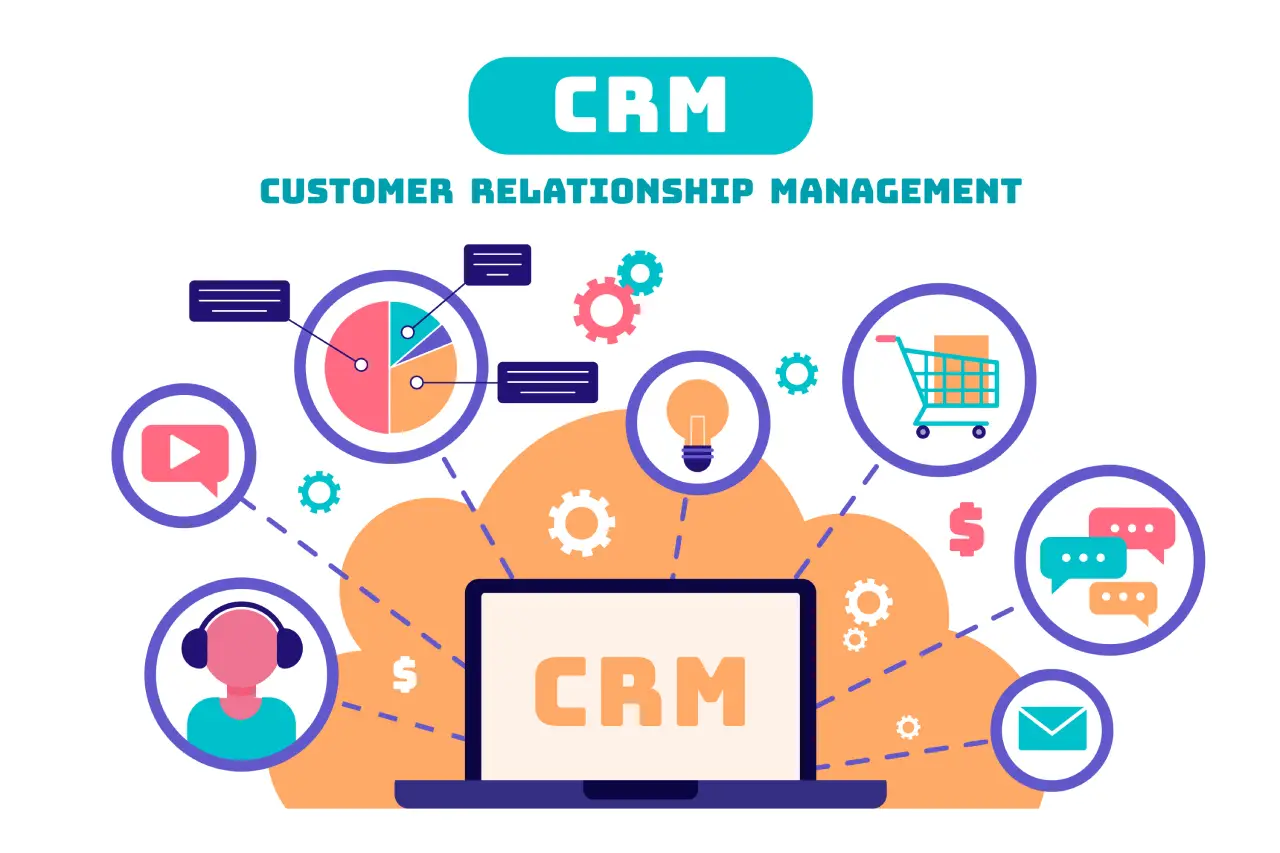
Casino CRM systems offer powerful tools that help operators manage player relationships and boost revenue. These platforms collect detailed player data, automate targeted marketing efforts, manage loyalty rewards, and provide instant insights into business performance.
Player Profiling and Segmentation
Modern casino CRM systems build detailed profiles for each player using data from multiple sources. The system tracks gameplay patterns, deposit amounts, game preferences, and session duration. It also records communication history and bonus usage.
Key profile data includes:
- Playing frequency and session times
- Favorite games and betting amounts
- Deposit and withdrawal patterns
- Bonus activation rates
- Communication preferences
The CRM automatically groups players into segments based on their behavior. High-value players get different treatment than casual users. New players receive welcome campaigns while inactive players get reactivation offers.
Operators can create custom segments using specific criteria. They might target slot players who deposit over $100 monthly. Or focus on table game fans who haven’t played in two weeks.
This segmentation allows casinos to send the right message to the right player at the right time. Personal offers perform much better than generic promotions.
Automated Marketing Campaigns
Casino CRM systems run marketing campaigns without manual work. The software sends emails, SMS messages, and push notifications based on player actions. When someone makes their first deposit, the system automatically sends a welcome bonus offer.
Common automated triggers include:
- Welcome series for new registrations
- Deposit bonuses after funding accounts
- Win-back emails for inactive players
- Birthday and anniversary rewards
- Game recommendation messages
The system personalizes each message using player data. It includes the player’s name, preferred games, and tailored bonus amounts. A slot player receives free spins while a poker fan gets tournament tickets.
Campaigns run across multiple channels simultaneously. Players might receive an email offer, then see the same promotion when they log into the mobile app. This approach increases response rates significantly.
Operators can set up complex campaign workflows with multiple steps. If a player doesn’t open the first email, the system sends a follow-up SMS with a better offer.
Loyalty Program Integration
CRM systems manage comprehensive loyalty programs that reward regular play. Players earn points for every bet placed, with different games offering various point rates. The system tracks point balances and tier status automatically.
Loyalty features include:
- Point earning rates by game type and player tier
- Tier progression with increasing benefits
- Reward catalogs with prizes and bonuses
- Exclusive promotions for VIP members
- Personal account managers for high-tier players
The CRM calculates tier upgrades based on play volume or deposits over specific periods. VIP players unlock benefits like faster withdrawals, higher betting limits, and exclusive events.
Points convert to cash, free play credits, or physical rewards. The system handles redemptions automatically and updates player balances instantly. Some programs offer experiential rewards like concert tickets or vacation packages.
Operators can adjust program rules and benefits without technical changes. They might double points during slow periods or offer bonus tier credits to specific player segments.
Real-Time Analytics and Reporting
Casino CRM platforms provide instant access to player and business data through customizable dashboards. Operators see live metrics like active players, revenue per user, and campaign performance. Reports update automatically as new data arrives.
Essential analytics include:
- Player lifetime value calculations
- Campaign conversion rates and ROI
- Retention rates by player segment
- Revenue trends by game category
- Churn prediction scores
The system identifies players at risk of leaving using behavioral patterns. It flags accounts showing decreased activity or longer gaps between sessions. Operators can intervene with targeted offers before losing these players.
Revenue reports break down performance by traffic source, game type, and player segment. This helps operators understand which marketing channels deliver the most valuable players.
Advanced CRM systems use machine learning to predict player behavior. They recommend optimal bonus amounts or suggest the best time to contact specific players. These insights help maximize marketing spend efficiency.
Benefits of Implementing Casino CRM Systems
Casino CRM systems deliver measurable improvements in player retention rates, enable precise personalization based on gaming behavior, create new revenue streams through targeted campaigns, and automate routine operations to reduce costs.
Improved Player Retention
CRM systems track player behavior patterns to identify customers at risk of leaving. Operators can spot players who haven’t logged in for specific time periods or show declining betting activity.
Automated retention triggers activate when players meet certain criteria. These might include deposit bonuses for inactive players or personalized offers based on their favorite games.
Data shows which retention strategies work best for different player segments. VIP players might respond to exclusive tournament invites, while casual players prefer free spins on popular slots.
The system creates detailed player profiles that include:
- Login frequency and session duration
- Preferred game types and betting amounts
- Response rates to previous campaigns
- Communication preferences
This information helps operators design targeted retention campaigns that keep players engaged longer.
Enhanced Personalization
CRM systems analyze individual player data to create unique experiences for each customer. The software tracks game preferences, betting patterns, and spending habits to deliver relevant content.
Dynamic content delivery changes based on player behavior. A slots player sees different homepage content than someone who prefers table games.
Personalized communication reaches players through their preferred channels. Some players respond better to email campaigns, while others engage more with SMS or push notifications.
The system personalizes bonus offers based on playing history. A blackjack player might receive cashback on table games, while slot players get free spins on new releases.
Real-time personalization adjusts offers during gameplay sessions. If a player experiences losses, the system might trigger a reload bonus or suggest switching to a different game type.
Increased Revenue Opportunities
CRM systems identify high-value players and create targeted campaigns to maximize their lifetime value. The software calculates player worth based on deposit frequency, bet sizes, and game preferences.
Cross-selling campaigns introduce players to new game categories they haven’t tried. Table game players might receive bonuses for trying live dealer games or sports betting.
Automated campaigns trigger at optimal times when players are most likely to respond. The system learns when individual players typically make deposits or play certain games.
Revenue tracking shows which promotional campaigns generate the highest return on investment. Operators can allocate marketing budgets to the most effective strategies.
VIP program management becomes more precise with detailed player analytics. The system identifies players ready for tier upgrades and creates exclusive offers for top spenders.
Streamlined Operations
CRM automation reduces manual tasks and eliminates human errors in player management. Staff can focus on strategic initiatives instead of routine data entry and campaign management.
Workflow automation handles repetitive processes like welcome sequences, birthday bonuses, and dormant player campaigns. These run automatically based on predetermined triggers.
Customer support teams access complete player histories instantly. Representatives can see previous interactions, bonus usage, and account activity to resolve issues faster.
The system integrates with payment processors, game providers, and compliance tools. This creates a unified database that eliminates data silos between different departments.
Reporting dashboards provide real-time insights into campaign performance, player activity, and revenue metrics. Managers can make data-driven decisions without waiting for manual reports.
How Casino CRM Systems Work
Casino CRM systems operate through three main processes: gathering player information from multiple sources, tracking how customers interact with the casino over time, and enabling communication across different channels like email, SMS, and live chat.
Data Collection Methods
Casino CRM systems gather player information from many different sources. The system tracks every action players take on the casino website or mobile app. This includes game preferences, bet amounts, session length, and deposit patterns.
Real-time tracking captures data as it happens. When a player spins a slot machine or places a bet, the CRM records this instantly. The system also monitors login times, page views, and bonus usage.
Customer service interactions provide another data source. The CRM stores chat logs, support tickets, and phone call notes. Payment information gets tracked too, including deposit methods, withdrawal requests, and transaction history.
Player registration data forms the foundation. This includes basic details like name, age, location, and contact information. The system combines this with behavioral data to create complete player profiles.
Some CRM systems connect to third-party tools. These might include payment processors, game providers, or marketing platforms. This integration creates a more complete picture of each player.
Customer Journey Mapping
CRM systems track each player’s path from first visit to long-term loyalty. The system identifies key moments like account creation, first deposit, and first withdrawal. It also notes when players become inactive or request account closures.
Automated triggers respond to player actions. When someone makes their first deposit, the CRM might send a welcome bonus. If a player hasn’t logged in for two weeks, it could trigger a re-engagement email.
The system creates different player segments based on behavior patterns. High-value players get different treatment than casual players. New players receive onboarding messages while experienced players get loyalty rewards.
Journey stages help casinos understand player needs. The CRM identifies whether someone is exploring games, actively playing, or considering leaving. Each stage requires different communication and offers.
Player lifetime value gets calculated using historical data. The CRM predicts how much each player might spend over time. This helps casinos decide how much to invest in retention efforts.
Omnichannel Communication Tools
Casino CRM systems send messages through multiple channels to reach players where they are most active. Email campaigns remain the most common method for promotions, newsletters, and account updates.
SMS messaging works well for urgent notifications. Players receive texts about deposit bonuses, game launches, or account security alerts. Push notifications reach players through mobile apps with instant updates.
Live chat integration connects customer service with player data. Support agents see betting history, bonus usage, and previous conversations before helping players. This creates faster, more personalized service.
Social media connections allow casinos to engage players on platforms like Facebook or Instagram. The CRM tracks which players interact with social content and adjusts messaging accordingly.
In-game messaging delivers offers while players are actively gaming. Pop-up notifications about bonuses or tournaments appear at strategic moments. Phone calls from VIP managers provide personal attention for high-value players.
The CRM ensures message consistency across all channels. Players receive coordinated communication that feels connected rather than random or repetitive.