


The modern sports betting experience in Serbia does not start with a ticket. It starts with a phone, a notification about kickoff, and a scroll through live markets that update several times a second. This essay follows one bettor’s weekend across three fixtures, pauses at the moments that most sites try to design around, and asks what has changed for players who still remember paper slips at a kiosk window.
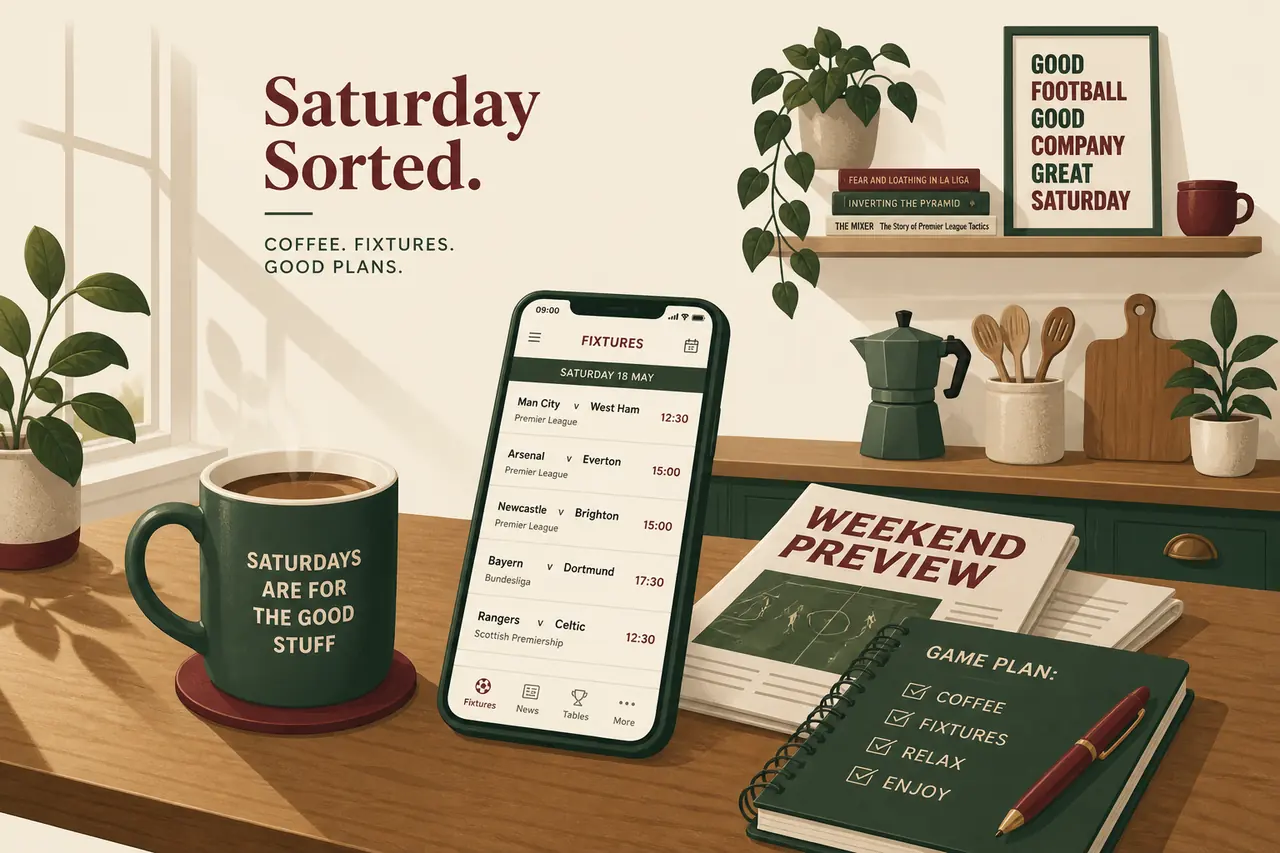
Before the narrative, a scenario matrix frames the four shapes a modern session tends to take, because the same person will inhabit different ones on different days.
| Session shape | What it looks like | Typical risk | Where the enjoyment lives |
|---|---|---|---|
| Pre-match ticket | One multi-leg slip placed Friday night for Saturday | Fixed stake, fixed anxiety | Weekly ritual, pre-game read |
| Live single | A quick in-play bet during the match being watched | Tempo, cash out temptation | Reading the game as it moves |
| Player props slate | Several small bets on individual player lines | Correlated outcomes if same team | Attachment to a favourite athlete |
| Virtuals filler | Short virtual football or racing between real matches | Compressed cycle, higher churn | Pace, light entertainment |
Saturday Morning Starts with a Notification
By ten in the morning the app has already pinged twice. The first ping was a lineup leak for the early Premier League match; the second was a reminder that a weekly accumulator from last weekend was one leg away from paying, if a result had gone the other way. Both notifications were useful. Both were also designed to be noticed.
The modern operator is a notifications business as much as it is a betting business. The player who learns which pings to react to and which to swipe away buys themselves back some of their own attention, and the first weekend hour is usually when that discipline either sets up well or starts to drift.
When You Open the App Before the Coffee Lands
The home screen now leads with a carousel of promoted markets, a quick-bet rail with the player’s own last three picks, and a running count of in-play games. On the Serbian-licensed sites this layout has converged in the past two seasons. Opening before the coffee lands means tapping fewer things on autopilot, which is a small benefit most of us can measure in the weekend bank balance.
The Pre-Match Slip Is Still the Backbone
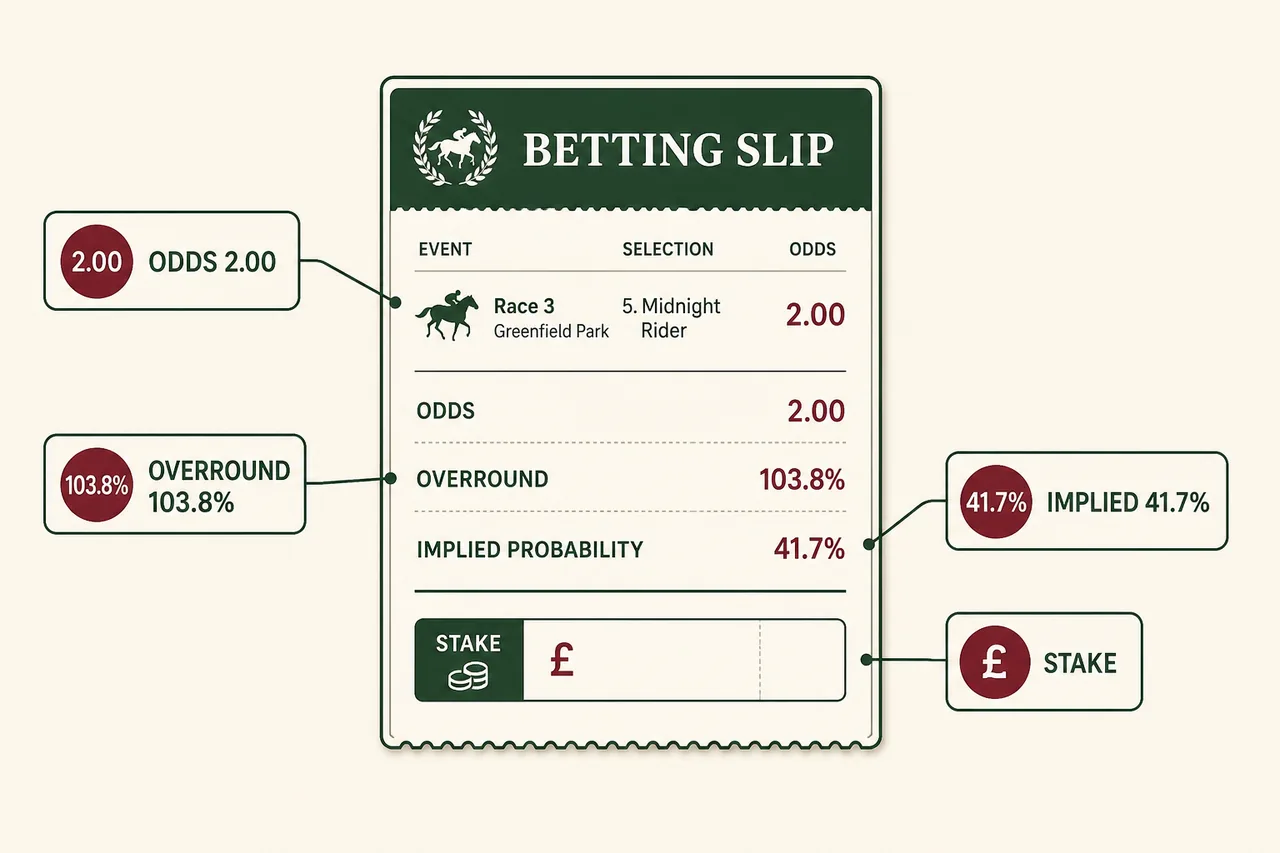
By early afternoon the pre-match slip is pulled together. Three legs, one each on the main league fixtures. The decimal odds sit in a familiar window, around 1.80 to 2.10 for the picks that feel confident and 2.50 to 3.20 for the ones that need the day to tilt their way. The multi-leg price is quoted directly on the slip, with the implied probability shown alongside, which is the one meaningful change the Serbian sites introduced in the last couple of years.
What has not changed is the arithmetic. A three-leg accumulator at 2.00, 2.00 and 2.00 pays eight times the stake, implies a one-in-eight chance under no-margin pricing, and will almost always carry a few extra percentage points of overround that quietly nudge the real break-even higher. The modern slip surfaces that number; the player decides what to do with it.
- Decimal price for each leg, visible on the slip
- Combined decimal odds for the accumulator
- Implied probability under no-margin pricing
- A refreshed total if any price moves before confirmation
These four numbers belong on the slip rather than in the player’s head.
Good to know. Overround is the operator’s margin baked into the odds, often written as the sum of implied probabilities above one hundred percent. On a Sunday top-flight match it is typically a few points; on a smaller league or a specialised prop it can be noticeably wider.
When You Line Up Three Legs on a Weekend Card
Lining up three legs on a weekend card is less about picking winners and more about picking the one game that is driving the price. A clean favourite at 1.40 in each slot gives a soft return and three single-point failure risks. A pair of middle-weight prices and one longer shot gives a bettable payout with a story. Most players settle around the second shape once the shine of the first weekend wears off.
Live Betting Changes the Clock
The second half of the day belongs to in-play. The live markets refresh fast, the tempo rises during goals and timeouts, and the cash-out button is always a tap away. This is where the modern experience most diverges from the paper-slip era. It is also where many bettors learn, sometimes expensively, that the live price is not an invitation to double a position every time momentum shifts.
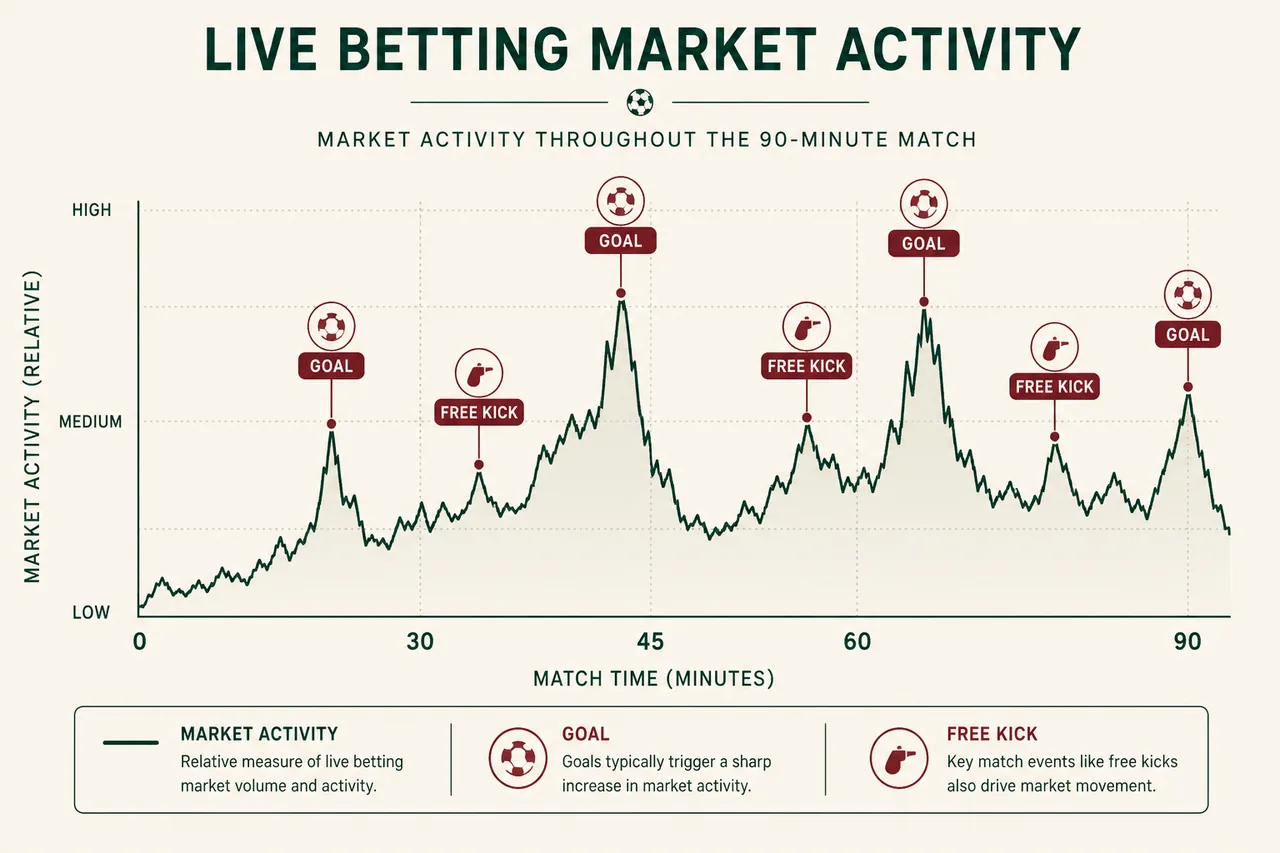
Cash out is a two-sided feature. On a winning slip it locks in a smaller gain and removes the drama; on a losing slip it buys back part of the stake before the ninetieth minute. In both cases it is a product the operator prices with the same overround that sits on the original ticket, so repeat cash outs across a slate quietly transfer margin from the player to the book.
Caution. A cash out is a priced offer, not a neutral exit. The operator’s margin sits inside the quote.
The honest routine is to decide on cash out before kickoff, then let the match run its course when the pre-match thesis still holds.
- Watch the match for ten minutes before placing the first live bet
- Set a per-match live stake cap before the first whistle
- Decide in advance whether cash out is on the table at all
- Avoid live bets on games you cannot see on a working stream
When You Reach for Cash Out at the Hour Mark
Reaching for cash out at the hour mark is almost always a reaction to a shift that may or may not finish the match. The disciplined move is to pause for one minute, re-read the slip, and decide whether the pre-match reasoning still holds. If it does, the slip rides. If it does not, cash out is a reasonable exit, not a surrender.
Streaming Pulls the Attention Back to the Game
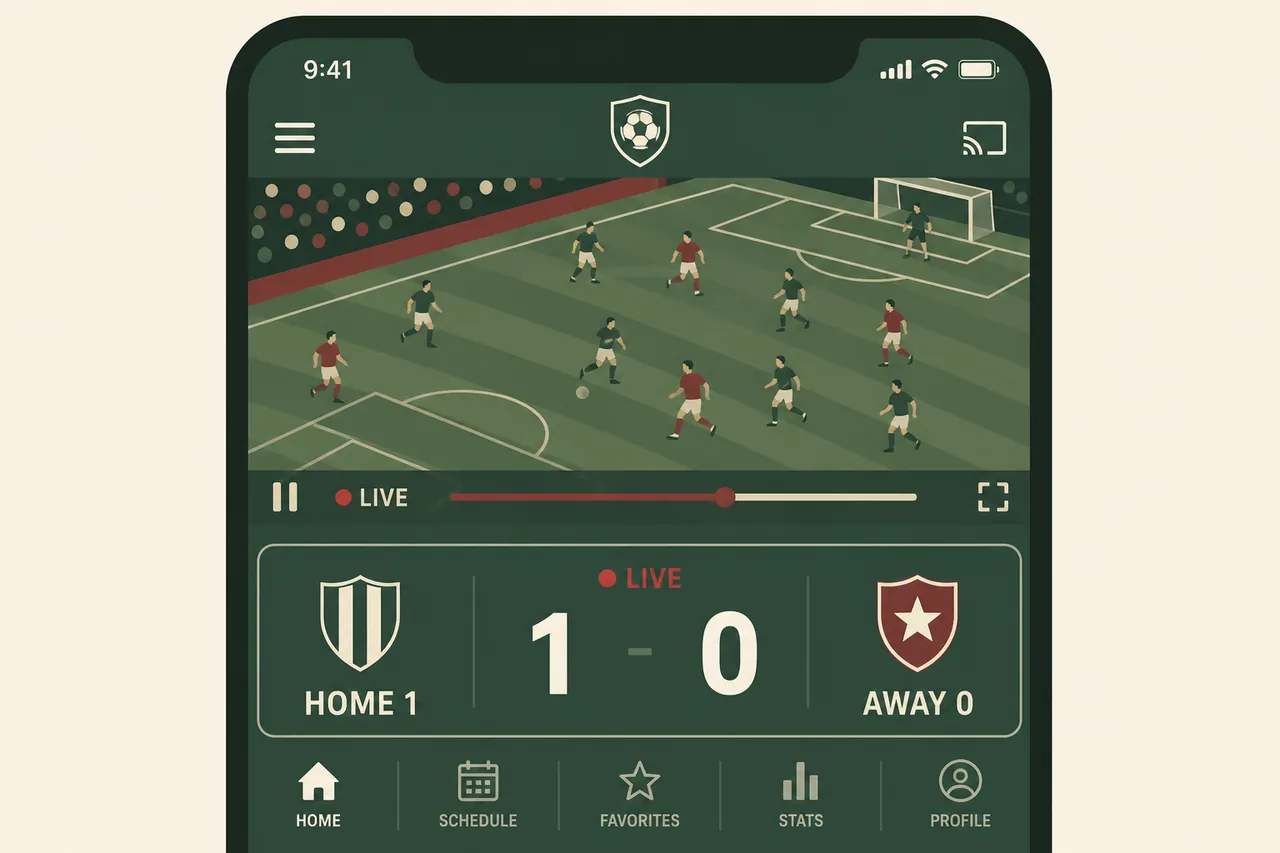
The quiet improvement that often goes unmentioned is live streaming on the operator app itself. Several Serbian sites now carry low-profile fixtures that no local broadcaster shows, which turns a bet into a watchable event rather than a scoreboard refresh. For a weekend of lower-division football or regional basketball, this is the single feature that keeps the hobby feeling like a hobby.
Streaming works both ways. A player who follows the match is more likely to spot the moment the pre-match thesis breaks. A player who follows the price only is more likely to chase the market down a rabbit hole.
Promotions Have Grown Up, a Little
The promotions landscape has evolved from flat welcome bonuses to layered packages, split across first deposits, loyalty cycles and feature-specific credits. The shape differs by site but the family of offers is familiar enough to summarise. The honest reading is that these promotions reward players who already behave within their limits and penalise players who do not read the terms.
| Offer family | How it is usually structured | Where it quietly costs the player |
|---|---|---|
| Welcome match | Percentage match on first deposits | Wagering requirement at a minimum odd |
| Freebet refund | Share of early losses returned as freebets | Only usable at a minimum price |
| Live boosts | Enhanced odds on specific live markets | Can push players toward higher-margin bets |
| Weekly reload | Smaller match on later deposits | Encourages a weekly deposit cadence |
| Prop insurance | Refund if one leg of an accumulator misses | Only on multi-leg tickets at long prices |
Warning. No promotion changes the overround. Treat offers as entertainment credit, not as expected value.
Tools That Push Back on the Experience Itself
The responsible-play toolkit is now built into the main app flow rather than hidden in a settings page. Deposit limits can be set per day, week or month, and the app will refuse to lift them inside a cool-off window. Reality-check timers interrupt long live-betting sessions. Self-exclusion is a single-screen action that routes through SPIS as well as the operator.
These tools are a quiet counterweight to the attention-first design of the rest of the app. A player who uses them is not opting out of the experience; they are shaping it to match a weekly budget rather than a weekly mood.
What the Weekend Looks Like with a Guide at Hand
A Serbian player who approaches the weekend with a short reading list spends less time comparing promotions and more time reading matches. Independent guides such as burazbet.com publish updated roundups of licensed operators, their current promotions and their payment options, which collapses two or three site visits into one browse before the first game kicks.
The guide is a shortcut, not a strategy. It will not tell a player which three-leg slip to build on Saturday morning. It will tell them which sites honour the Serbian licensing rules, which still accept Dinar cards, and which have cleaned up their withdrawal flow since last season. That is a useful filter for a weekend that has limited daylight.
Short Answers to the Questions That Keep Coming Up
Why Does the Price on the Multi Keep Drifting Before Kickoff
Prices drift when late money, team news or trading model updates change the implied probability of each leg. A one-tick move on each of three legs compounds. If the drift is big enough to flip the direction of the slip, the trade has already left.
Why Does Cash Out Pay Less Than the Live Price Suggests
Cash out carries the same margin as the original ticket plus the live book’s margin. The quote reflects both. On a slip in a winning position, that gap is where most of the cash-out convenience is paid for.
Why Does the App Refuse a Stake Change Mid-Match
Live markets lock briefly during live events such as goals, penalties or timeouts. The operator freezes the market, re-reads the match data, and republishes a price. The pause is normal and tends to clear within a few seconds.
Why Does the Withdrawal Ask for Documents a Second Time
Serbian KYC rules were tightened in the January 2025 regulatory package. A second document request usually means a routine refresh rather than a flag on the account. Submitting the request within the account view is faster than emailing support.
Why Do Virtuals Feel Different From Real Fixtures
Virtual football and racing run on a schedule and a published return-to-player percentage, closer to a casino product than a traditional bookmaker market. The cycle is faster, the result is immediate, and the margin is set rather than discovered.

By late evening the ledger closes. A disciplined weekend might include one pre-match slip, two or three considered live singles, a short virtuals break while a match ran a tedious second half, and a cash-out that bought back part of a wobble. The modern sports betting experience is faster than it was and louder than it was, and the player who sets the pace rather than the app ends up having more fun.